Arvada Western / HomeShops / Rapido Trains
Colorado Steel in Motion
The modern steel industry moves on rails, and now you can bring that movement to your railroad.
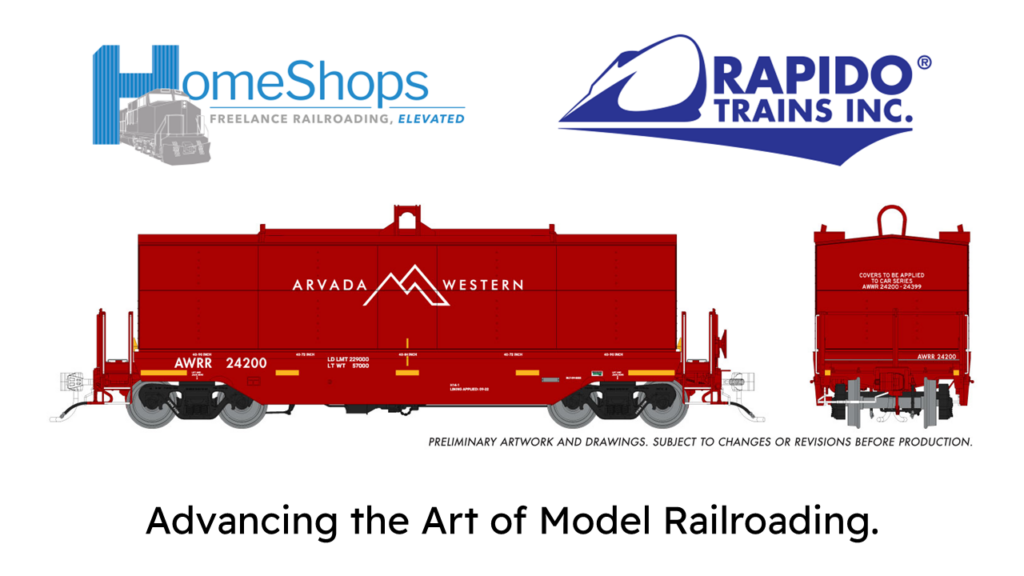
We are excited to announce the upcoming release of the Greenbrier Transverse Coil Car, featuring the distinctive Arvada Western paint scheme with the CB&Q red and modern rocky mountain railroading.
Whether you model a contemporary Class I mainline, a regional shortline, or a busy industrial switching railroad, these cars deliver authentic modern freight operations with a unique identity in a sharp red paint scheme.
Every preorder helps make this project a reality.

The Story Behind the Car
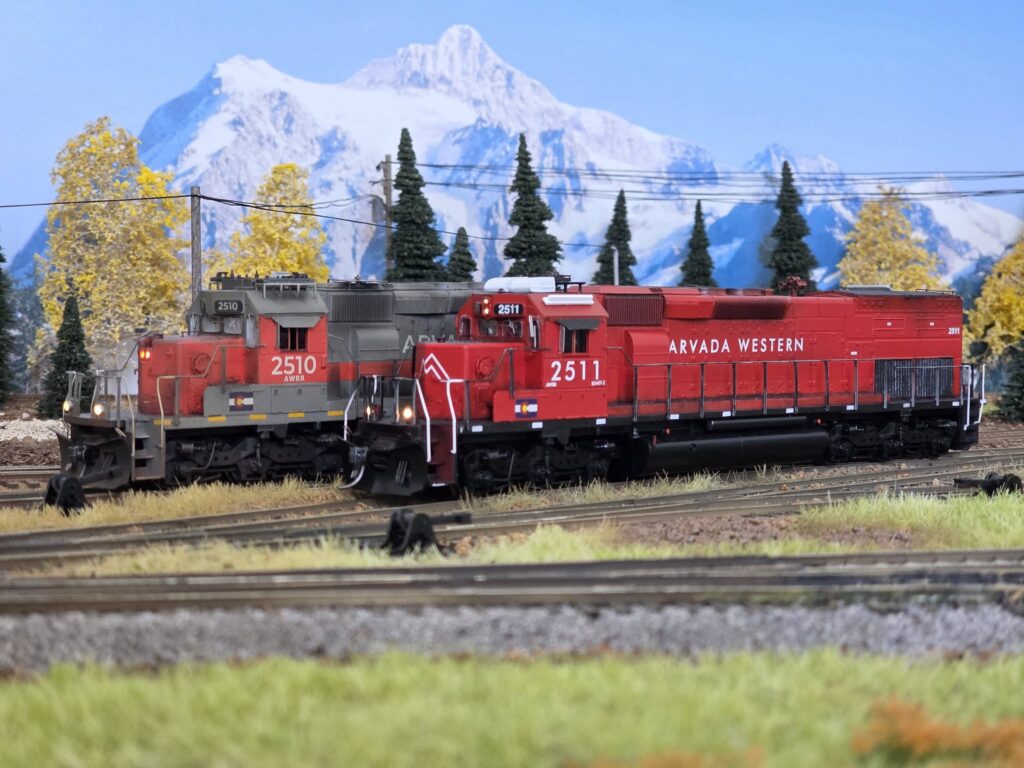
The Arvada Western has always represented hard working western railroading, gritty locomotives, fading paint, heavy industry, and freight that keeps the economy moving.
As steel demand across Colorado continued to grow, the railroad sought new ways to connect local industry with major national steel suppliers. The arrival of the Greenbrier coil cars marked a new chapter for the railroad.
These cars began appearing in dedicated steel service between Front Range steel plant and distributors, fabrication plants, and interchanges with larger Class I railroads.
From steel plants in Pueblo, Colorado, to Denver area warehouses and industrial customers across the western states, these cars symbolize the continuing evolution of freight railroading in Colorado on the Arvada Western.
How These Cars Can Fit Your Railroad
One of the best parts about modern coil cars is their flexibility in operation. No matter what kind of railroad you model, these cars can feel right at home.
Class I Mainline Railroads
Operate them in manifest freights, steel trains, or mixed industrial traffic moving across your system. Pair them with modern locomotives from railroads like BNSF, Union Pacific, Norfolk Southern, or CSX for realistic contemporary operations.
Regional and Shortline Railroads
Use them as bridge traffic moving between industrial customers and larger interchange points. Coil cars create excellent operational variety for local freights and switching assignments. These cars can be considered leased equipment to your regional or shortline railroad!
Industrial Switching Layouts
Perfect for steel warehouses, fabrication shops, rebar plants, automotive suppliers, or metal processing facilities. The loading and unloading of steel coils creates realistic switching scenarios and destination based freight movement.
Freelance Railroads
These cars blend naturally into freelance modern era railroads. The look and identity make them ideal for layouts focused on heavy industry, urban railroading, or mountain freight service who may consider having these as leased equipment.
The Greenbrier transverse coil car represents everything modern freight railroading is about; heavy industry, hard working equipment, and freight moving across the western landscape.
Whether they’re rolling through mountain scenery, switching industrial sidings, or crossing busy mainlines, these cars add realistic modern operations and a unique story to any railroad.
Thank you
for supporting the Arvada Western, HomeShops, and Rapido Trains.
